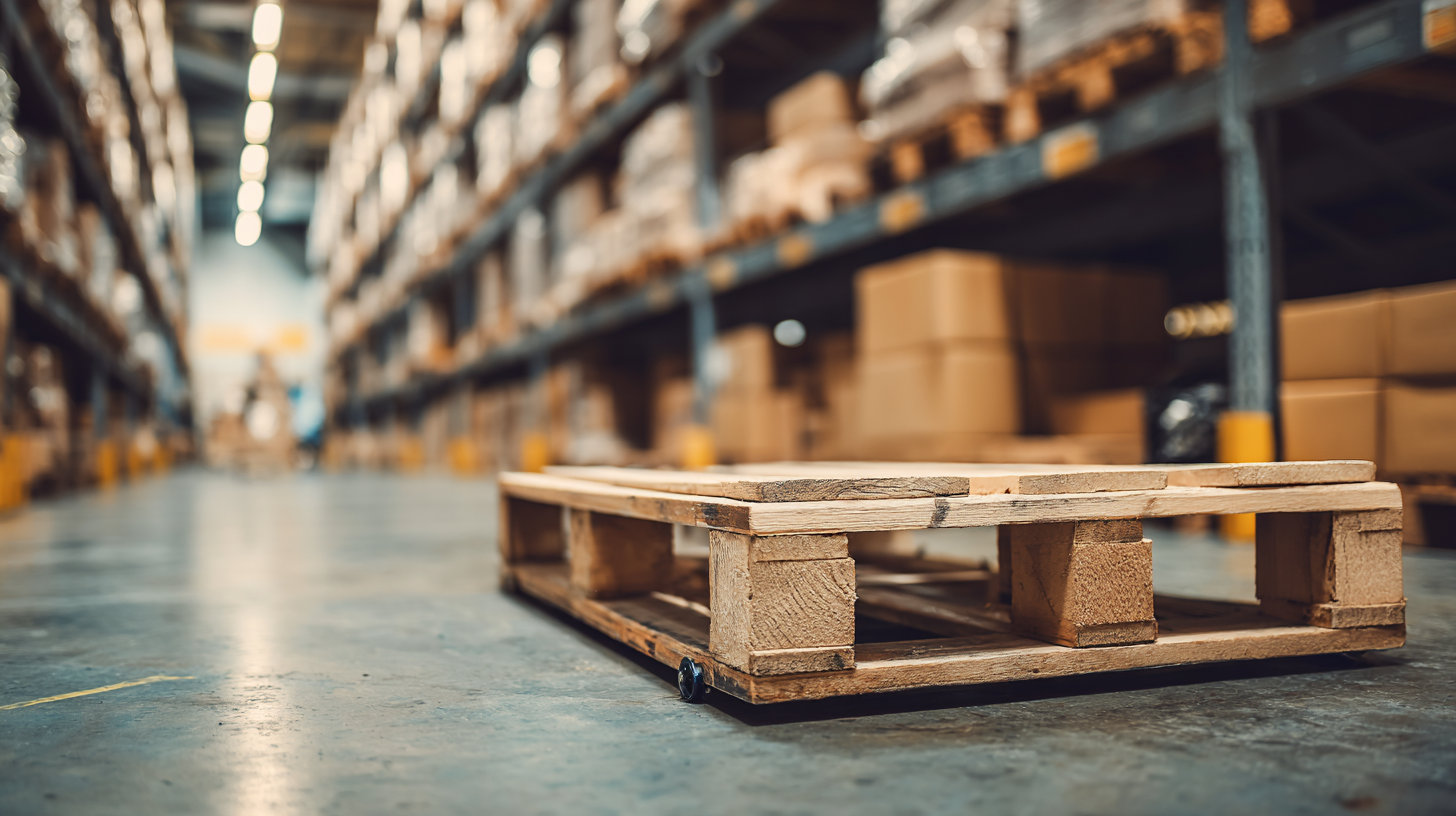
In today’s super fast-paced logistics world, picking the right Pallet Wheels is a game-changer for keeping supply chains running smoothly. From what industry folks are saying, using the correct wheel systems can boost warehouse productivity by up to 20%. That could mean faster transit times and fewer headaches when loading or unloading. Here at DEYANG HONGKAI AUTO TRADING CO., LTD., based in Sichuan, China, we’re all about coming up with innovative solutions to meet the changing needs of both our local and international markets. As we dive into the often tricky world of refurbished trucks and expand our global trade efforts, it becomes really clear how important high-quality Pallet Wheels are. They help businesses run more efficiently and keep logistics flowing seamlessly. Investing in good equipment isn’t just about efficiency; it’s about providing better service overall. With demand and competition only increasing, choosing the right parts is more crucial than ever—something to think about for sure.
Factors to Consider When Selecting Pallet Wheels
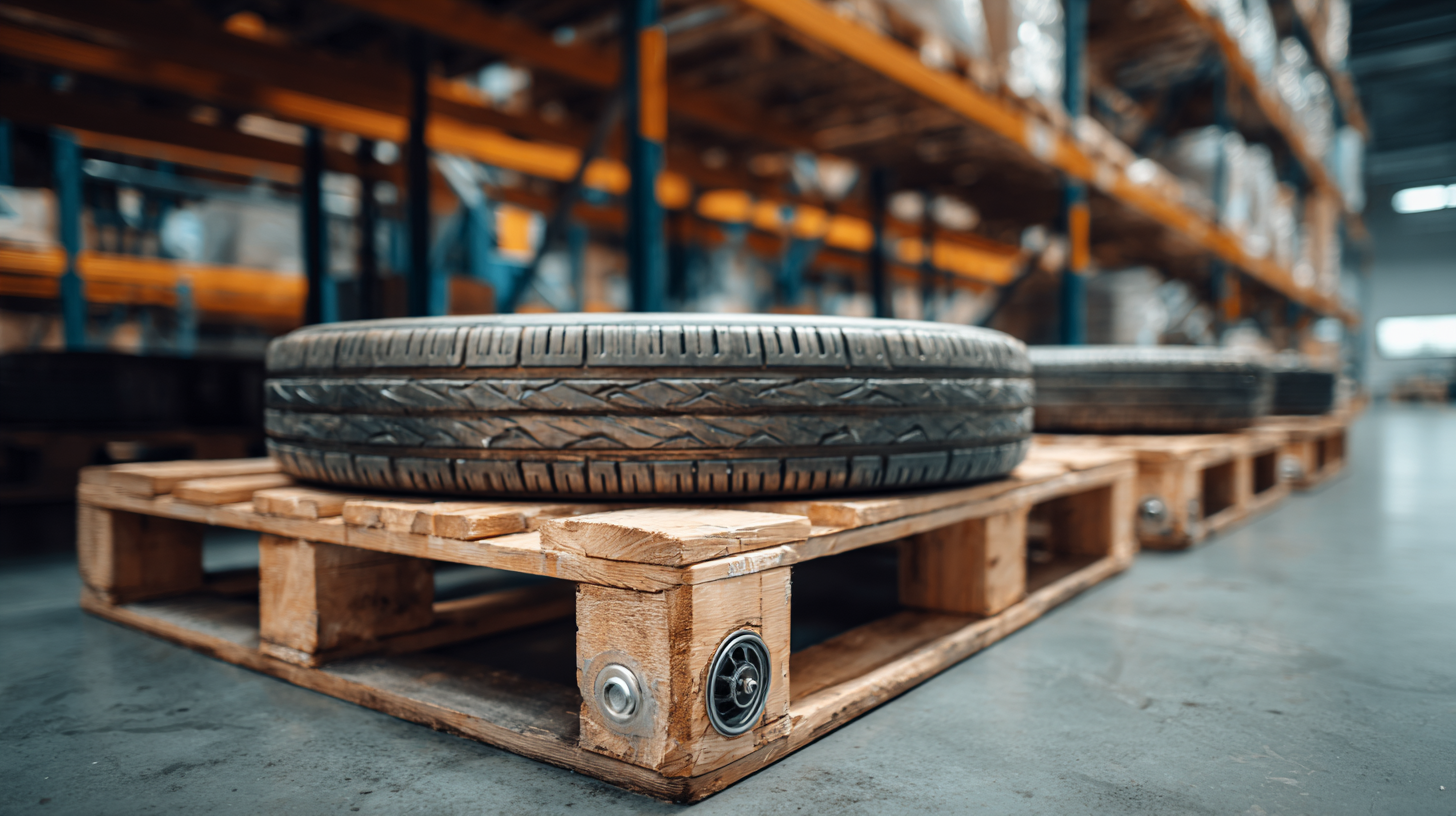
Choosing the right pallet wheels is super important if you want your supply chain to run smoothly. When you're picking out wheels, there are a few things you definitely want to keep in mind. First off, make sure the load capacity of the wheels matches what you need—that's key. I read somewhere from the Material Handling Industry of America that using the wrong load capacity can actually cause equipment failures, which can slow things down by as much as 30%. So, yeah, it’s worth double-checking that your wheels can handle the weight comfortably and still roll nicely.
Another thing to think about is what
material the wheels are made of. The environment matters—a lot. For example,
polyurethane wheels are great indoors because they’re gentle on floors and make steering a lot easier. On the other hand, rubber wheels tend to hold up better outside, thanks to their durability. A study from the
International Journal of Logistics Management even showed that picking the right wheel material can boost handling efficiency by around
20-25%, which can really cut down your operational costs.
A quick tip: think about the surfaces in your warehouse. If you’ve got a mix of floors, it might be smart to go for wheels that are versatile. And don’t forget about
size—larger wheels can make rolling heavy loads easier, reducing the effort needed and speeding things up overall. Basically, a little bit of thoughtful choice here can make a big difference in how smoothly things move along.
Understanding Different Types of Pallet Wheels and Their Uses
When you're picking out pallet wheels for your logistics or supply chain stuff, it's really helpful to understand the different types out there and what they’re best for. The variety in wheel materials, sizes, and designs can make a big difference in how smoothly things run and how well they perform. For example, polyurethane wheels are awesome on smooth floors — they grip well and don’t damage your surfaces. Meanwhile, rubber wheels are better if you’re dealing with rough terrain; they absorb shocks nicely and are easier to maneuver.
A few tips to keep in mind: think about how much weight you need the wheels to carry, where you'll be using them (like indoors or outdoors), and what kind of pallet you’ve got. If you're working outside often, it’s smart to go for more heavy-duty wheels that can handle different weather and uneven ground. Also, make sure the wheels match your pallet’s design — this helps with handling and cuts down on wear and tear.
Don’t forget about the size, either. Bigger wheels tend to roll over obstacles more easily and can reduce the strain on your team when moving stuff around. Getting these details right can really help you make smarter choices, which in turn can boost your overall efficiency and productivity.
The Impact of Wheel Material on Supply Chain Operations
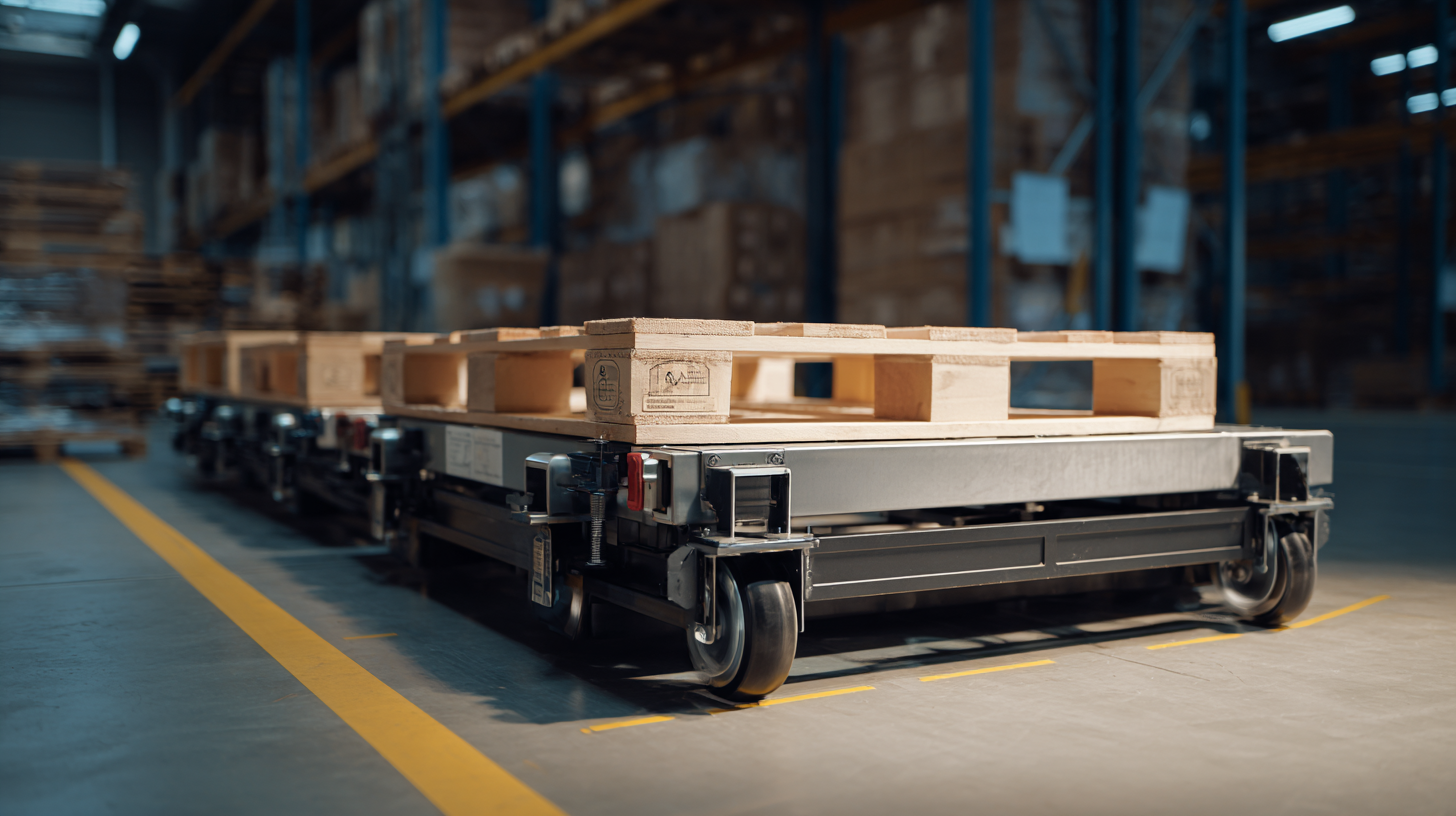
When it comes to streamlining supply chain operations, choosing the right wheel material isn't just a small detail — it really makes a difference. Different materials like rubber, polyurethane, and nylon each have their own perks, and picking the right one can seriously boost efficiency. For example, rubber wheels are great at absorbing shocks, so they’re perfect if you’re moving stuff over bumpy or uneven surfaces. That means less damage to your cargo and equipment, which adds up to lower costs and smoother overall operations.
On the flip side, polyurethane wheels strike a pretty good balance—they’re tough and can handle heavy loads without breaking a sweat. Plus, they roll really smoothly, which is super important in busy warehouses or distribution centers where speed matters. They’re also pretty resistant to wear and tear, and they require less effort to push or pull, so things move quicker without putting extra strain on your equipment or team. Bottom line? Picking the right wheel material isn’t just about convenience — it can really help make your supply chain run more smoothly and save you some bucks along the way.
Maximizing Efficiency: Wheel Size and Load Capacity
When you're picking out pallet wheels, it’s pretty important to get a good handle on the right size and load capacity—this can really make a difference in how smoothly your supply chain runs. I came across a report from the Material Handling Industry of America that pointed out how choosing the right wheel size can actually affect how easily things move and even impact transportation costs. For example, bigger wheels generally roll better over uneven surfaces, which means less effort when you're moving things manually. So, grabbing wheels that are at least 6 inches in diameter can really help with moving around in warehouses that have tricky layouts or rough floors.
And let’s not forget about load capacity—that’s a major factor too. Different wheels are built to handle different weights, and according to a study by the Industrial Truck Association, wheels that can carry 1200 pounds or more are usually more durable and safer. Using wheels that match or go beyond your pallets’ weight needs helps prevent wheel failure, which can otherwise cause costly delays or accidents. Bottom line is, finding wheels that fit both the weight requirements and your specific environment leads to smoother operations and can even save you some money in the long run.
How to Choose the Right Pallet Wheels for Enhanced Supply Chain Efficiency
Maintenance Tips for Longevity of Pallet Wheels
If you want your pallet wheels to keep rolling smoothly and last longer, regular check-ups are a must. Just take a moment to look for any signs of wear—cracks, flat spots, or anything that might make them less efficient. It’s also a good idea to keep the wheels clean and free of dirt or debris, which can slow them down. A quick wipe with a damp cloth now and then can go a long way in stopping grime from building up and keeping things running smoothly.
Oh, and don’t forget about lubrication! Spraying or applying lubricant to the axles and bearings is pretty much essential. Just make sure to follow the manufacturer’s recommendations on what type and how often to do it. Also, giving the hardware a quick tighten now and then can really boost stability, so the wheels stay solidly attached to the pallets.
Sticking to these simple tips can really help your pallet wheels last longer and give your supply chain that extra boost of efficiency. Trust me, a little maintenance goes a long way!
Cost-Benefit Analysis: Investing in Quality Pallet Wheels
You know, investing in good quality pallet wheels is pretty much essential if you want your supply chain to run smoothly. As automation keeps ramping up in things like pallet wrapping and handling, it becomes more important than ever to choose wheels that are not just durable but also efficient. Sure, those top-notch wheels might cost a bit more upfront, but trust me, the savings you'll rack up over time by dodging frequent repairs and keeping things moving faster can totally outweigh that initial expense. For example, using high-quality wheels can really cut down on wear and tear on your equipment, which means fewer replacements and your machinery lasting longer—big win, right?
Pro Tip: When you're picking out pallet wheels, don’t forget to check their load capacity and what they’re made of. Going for wheels made from tough materials like polyurethane can make a real difference—they last longer and grip better, which helps keep your whole supply chain running smoothly.
And with e-commerce booming, the need for fast, efficient logistics just keeps growing. So, investing in quality wheels with cool features—like those that swivel easily or reduce noise—can really speed things up and make handling easier. Not only does this make shipping faster and more reliable, but it also makes work less stressful for your team. Plus, happier workers and satisfied customers? That’s a recipe for growth.
Quick Tip: Always look for wheels that have bonus features like swivel action or quiet operation. These little extras can seriously boost your efficiency and make the workplace more pleasant. Putting in the effort and money now on quality will pay off in the long run, no doubt about it.
Exploring the Versatility and Power of Shacman F3000 and Sinotruk HOWO Dump Trucks in Heavy-Duty Transport
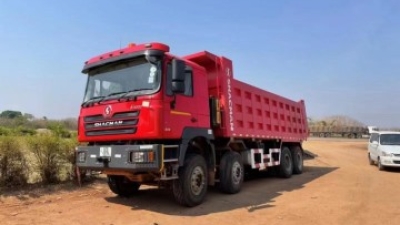
When it comes to heavy-duty transport, the Shacman F3000 and Sinotruk HOWO dump trucks exemplify versatility and power, making them essential solutions for various demanding tasks. The Shacman F3000, particularly the 8*4 model, stands out with its robust WP12.430E201 engine, delivering an impressive high-torque output that makes heavy-load hauling a seamless process. This capability is crucial for construction sites and mining operations where the ability to carry substantial weights efficiently can significantly impact productivity.
In addition to its powerful engine, the Shacman F3000 is designed with durable MAN axles that enhance its longevity and performance under demanding conditions. The truck's cargo box comes in various sizes, allowing for flexibility to tackle different types of loads and applications. Coupled with a fuel-efficient design, the F3000 not only minimizes operational costs but also maximizes overall efficiency, ensuring that businesses can manage their resources effectively while meeting heavy-duty transport requirements. With dimensions ranging from an overall length of 10730mm to 11900mm and a rated mass of 15930kg, this dump truck is aptly equipped to face the challenges of the heavy-duty transport sector.
FAQS
: Regular inspections should focus on signs of wear and tear, such as cracks or flat spots, which can affect the wheel's ability to roll smoothly.
Keeping the wheels clean involves wiping them down with a damp cloth to remove debris and prevent grime buildup that can obstruct movement.
Lubrication reduces friction, allowing the wheels to glide effortlessly, which is essential for maintaining optimal performance.
Lubrication frequency and type should follow the manufacturer's recommendations to ensure effective maintenance.
Investing in quality pallet wheels may have a higher initial cost but can lead to long-term savings in maintenance and improved operational efficiency, outweighing the upfront investment.
Wheels made from robust materials like polyurethane are recommended for better durability and traction.
Consider features such as swivel functionality and noise reduction, which enhance operational efficiency and create a better work environment.
Quality wheels can reduce wear and tear on equipment, lower replacement costs, and improve handling processes, contributing to faster shipping times and better customer satisfaction.
Efficient pallet wheels can help meet the growing demand for logistics solutions in e-commerce by improving handling processes and overall supply chain effectiveness.
Periodically tightening hardware and connections helps enhance stability, ensuring that the wheels remain securely attached to the pallets.
Conclusion
Picking out the right pallet wheels honestly makes a big difference when it comes to keeping your supply chain running smoothly. Things like what the wheels are made of, how big they are, and how much weight they can handle all matter a lot in how well they perform. Knowing the different kinds—like rubber, nylon, or polyurethane—can really help you figure out which ones will work best for your business needs. And don’t forget, giving your wheels a bit of regular care can really extend their life, which keeps everything moving seamlessly and avoids unnecessary downtime.
At DEYANG HONGKAI AUTO TRADING CO., LTD., we totally get how important high-quality parts are, especially as we grow our international trade. Investing in good pallet wheels isn’t just about efficiency; it’s also about saving costs in the long run. Doing a proper cost-benefit check helps ensure you're making smart choices that set you up for long-term success and growth.